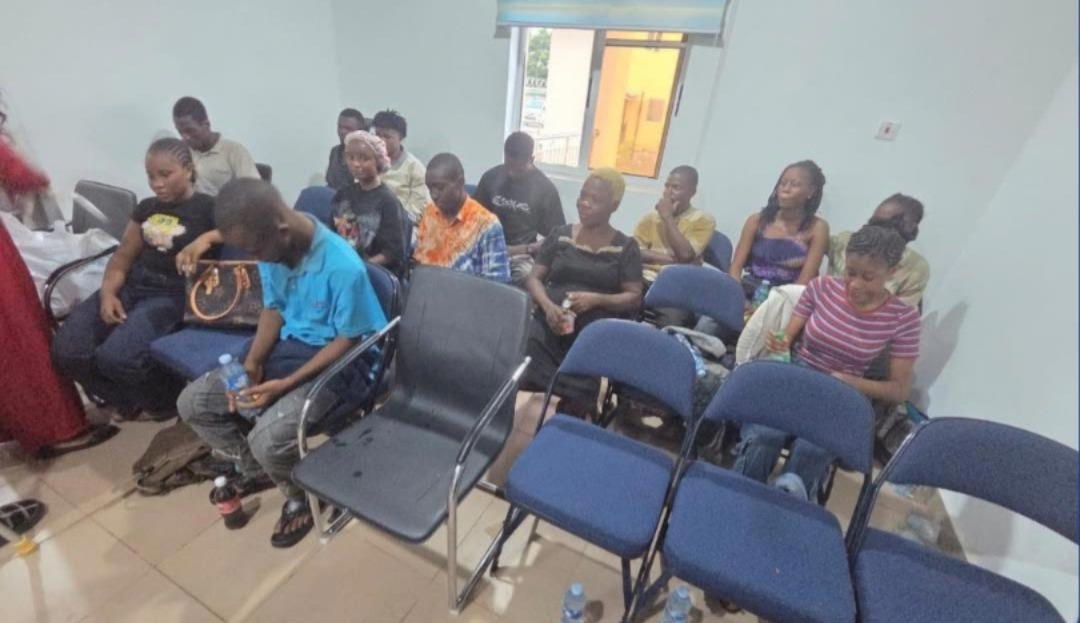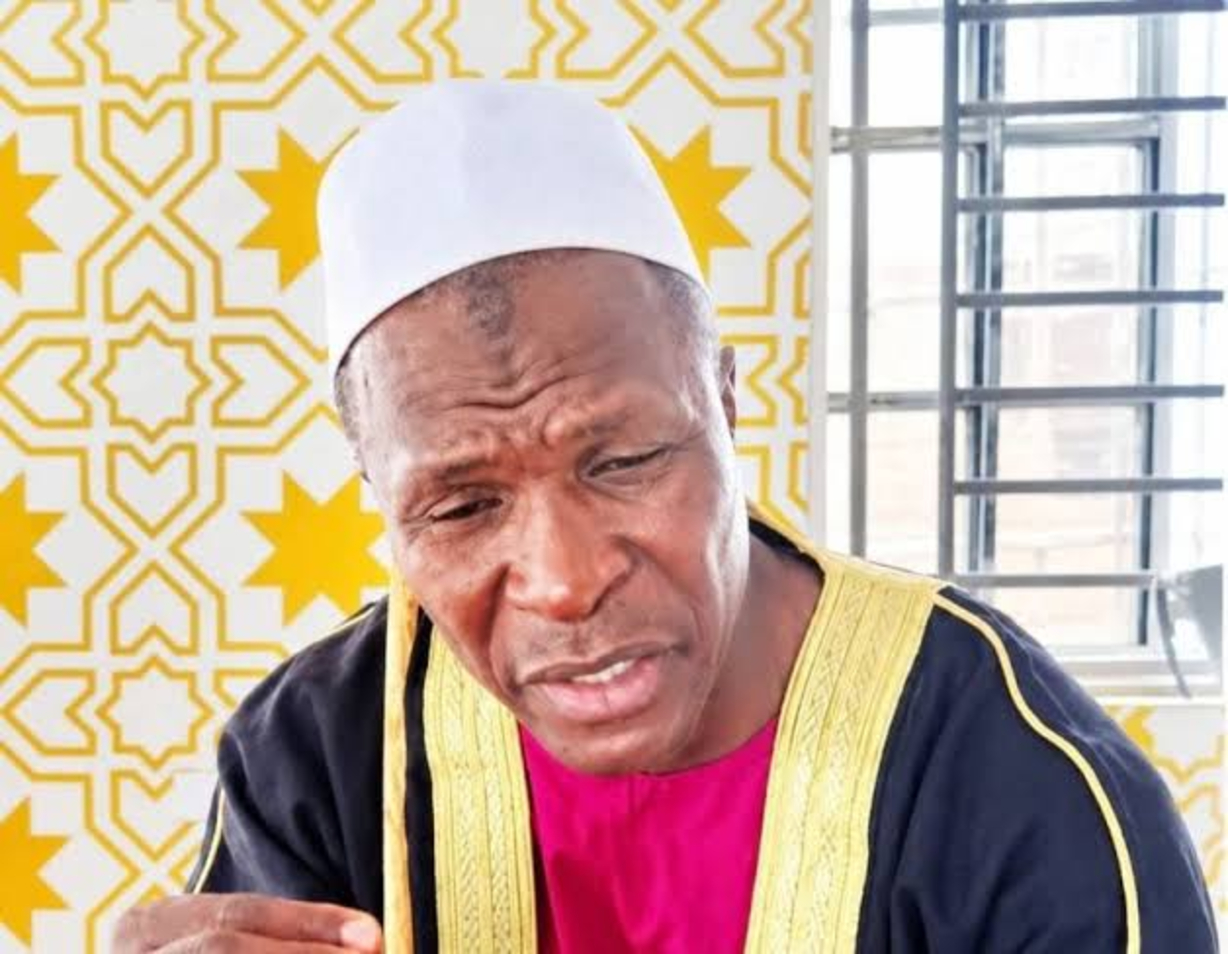
The residents said Abubakar was not the mosque’s substantive imam, adding that he only led prayers when the regular imam was absent.
Recall that the allegedly sacked Imam, Abubakar, had claimed that his support for Tinubu ahead of the 2027 general elections led to his removal from a neighbourhood mosque where he sometimes led prayers and preached.
He claimed he had urged worshippers to stop blaming the President for insecurity and economic hardship, calling on them to pray and change their attitude towards God.
Abubakar also said his proposal to rename the mosque after the President contributed to the disagreement.
“The second reason for my removal is that I requested that the mosque be renamed ‘Sheikh Imam Bola Ahmed Tinubu Mosque’. That suggestion was not well received,” he said.
However, contrary to his claims, residents described Abubakar as a comedian and controversial figure, alleging that he was associated with politicians from different parties.
Ibrahim Muhammad, a resident speaking to our reporter, said, “Everybody knows ‘Jejiwe Danmalam’ as a comedian and controversial figure. He works for almost any political party,” Muhammad said.
He further alleged that Abubakar had previously criticised Tinubu and the All Progressives Congress over economic hardship before turning around to declare support for him.
Muhammad urged journalists to verify information before publication, particularly as political activities ahead of the 2027 elections gather momentum.
“During this political season, everybody will look for ways to attract attention. It is therefore important for journalists to verify information before spreading it,” he said.
The chairman of the mosque committee, Imam Abubakar, also disputed his claim to the position of imam.
“He is not the substantive Imam of the mosque. He only leads prayers when the actual imam is absent. That is all,” the associate said.
Jibrin said the committee’s concern was not only Abubakar’s support for Tinubu but also his alleged use of the mosque for political discussions.
“Our major challenge with him was not only his campaign for Tinubu but the way and manner he gathered many people in front of the mosque and sometimes entered the mosque purposely to discuss politics,” he said.
He said the committee had warned Abubakar against using the mosque for political activities.
“The mosque committee sat down with him and cautioned him against turning the mosque to a political platform because of the Quranic verse which says the mosque is solemnly for worship of Allah alone. We vehemently rejected the use of the mosque for political meetings,” he said.
Jibrin added, “We have warned him not once or twice but many times, but he didn’t heed our pleas.”
On the proposed name change, the committee chairman said members rejected the idea because the mosque belonged to the community.
“All the committee members said ‘no’ because the mosque belongs to the community. This mosque has a committee of which I am one of the members, and when he insisted, we rejected the idea and resolved that the mosque name would remain,” he said.
Jibrin maintained that the committee was not against any political candidate but would not allow the mosque to be used for partisan activities.
Meanwhile, Islamic scholar Sheikh Dr Ibrahim Adam Disina described reports of the alleged removal as false, saying a social media post he intended as a joke had led to reports by some media organisations.
“The story about the Imam being removed in Bauchi is a complete farce,” he said.
Disina questioned why the reports were published without what he considered adequate checks.
“These are two media outlets that are supposed to be credible, from which one expects verification, professionalism and thorough investigation; yet, they fell into a trap set by social media,” he said.
The Bauchi State Council of the Nigeria Union of Journalists also questioned the reports, saying its preliminary inquiries found no evidence that Abubakar had been appointed or served as an imam in any mosque in the state.
In a statement signed by its chairman, Isah Garba Gadau, and secretary, Isiyaka Ismail Wunti, the council said the reports did not identify the mosque authorities allegedly responsible for the removal or establish the reasons for the decision.
The NUJ urged journalists to contact relevant mosque authorities and independently verify claims before publishing reports involving religion and politics.