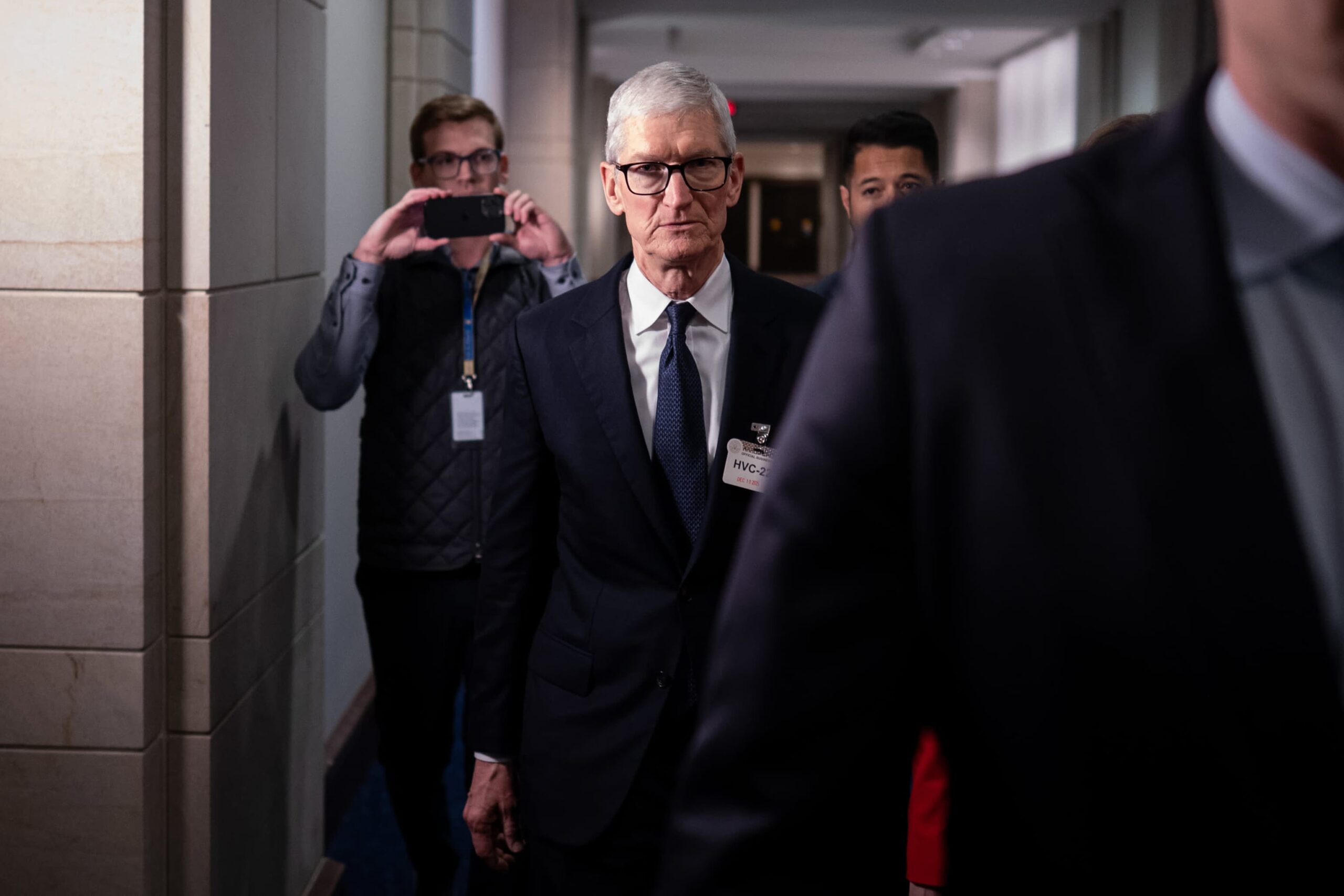
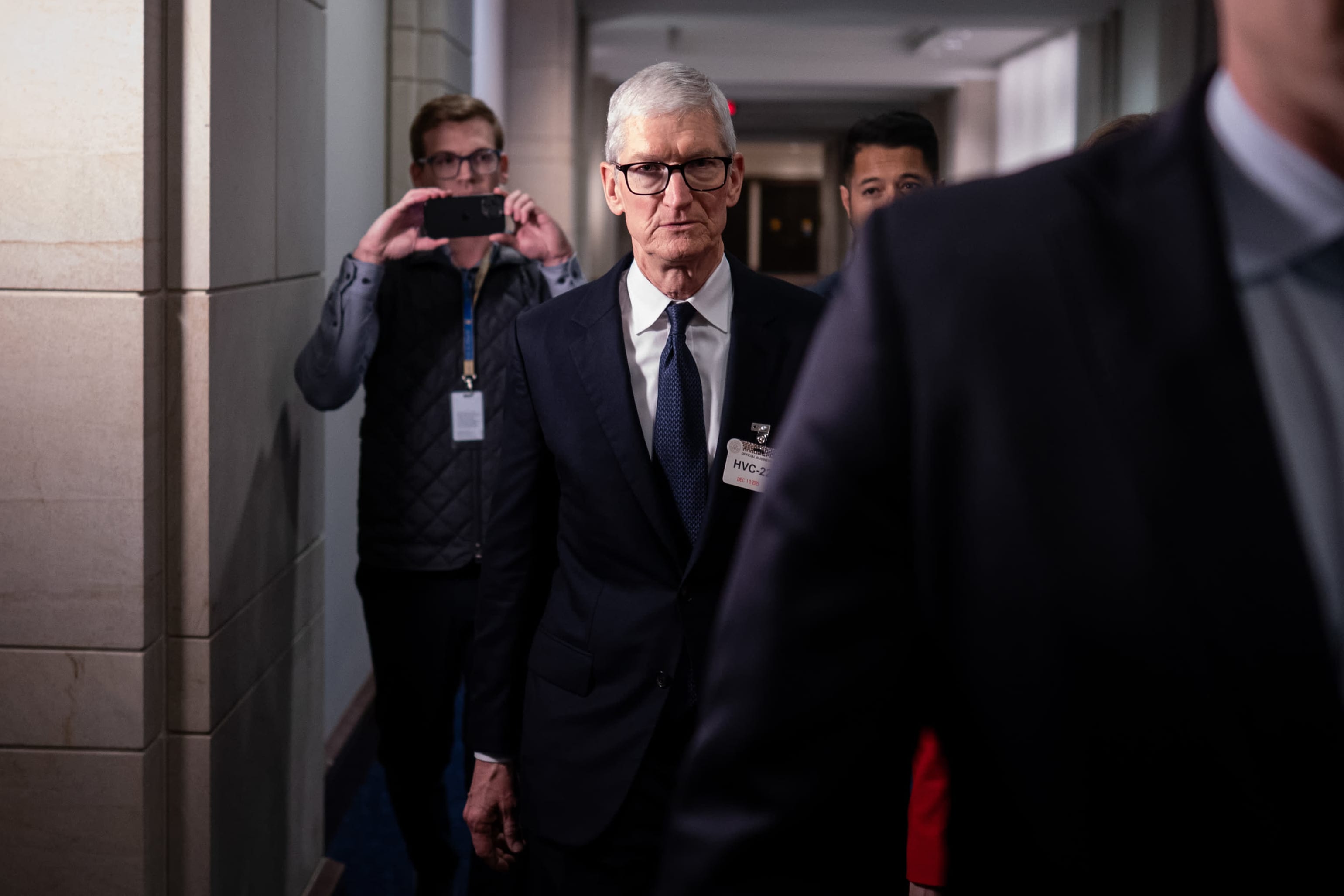
Tim Cook touched down in Chengdu, China, this week for an Apple Store event tied to the company’s 50th anniversary, a carefully choreographed visit that comes at a pivotal moment in the iPhone maker’s complicated relationship with the world’s largest smartphone market.
Tensions between U.S. and China have been ratcheting up, in part due to the Iran war and and the U.S. announcing a new investigation into Chinese trade practices after the Supreme Court struck down President Donald Trump’s biggest tariffs, which included major levies on imports from China.
But China has remained a critical market for Apple even as the company navigates increasing geopolitical challenges and mounting antitrust pressure there. Days before Cook’s visit, Apple cut its mainland China App Store commission from 30% to 25% on in-app purchases and paid transactions, effective March 15. Apple also reduced fees for smaller developers and mini-app partners to 12% from 15%. In a memo last week, the company attributed the changes to “discussions with the Chinese regulator.”
Those aren’t the only concessions China wants from Apple.
People’s Daily, the Chinese Communist Party’s official newspaper, published a commentary arguing Apple needs to go much further, according to an analysis by TMTPost. The paper said Chinese users and developers still lack access to third-party payment systems and alternative app distribution, and called for regulators to keep pushing Apple to open up its ecosystem.
Separately, China’s State Administration for Market Regulation has been probing Apple’s app fee policies and its ban on external payment services, according to a report previously covered by CNBC.
As Apple Approaches its 50th anniversary next month, its hardware business in China is thriving despite all the headwinds.
Sales of iPhones in the world’s second-largest economy surged 23% in the first nine weeks of 2026, according to Counterpoint Research data released Thursday. That figure is all the more remarkable considering that the broader Chinese smartphone market fell 4% year-over-year in the same period. Apple’s sales in Greater China soared 38% in the latest quarter to $25.5 billion, driven by iPhone 17 demand.
Appeasing Wall Street
Apple’s iPhone momentum in China has been propelled by a combination of online retail promotions and government trade-in subsidies that covered the base iPhone 17 model, according to Counterpoint. At the same time, Android-based competitors, including Oppo and Vivo, have been pushing prices higher to offset a spike in memory chip costs, giving Apple an opening to hold steady on pricing and pick up market share.
Separately, Apple COO Sabih Khan spent the week touring Chinese manufacturing partners, visiting Sunwoda’s battery plant in Shenzhen and Foxconn assembly lines in both Shenzhen and Chengdu, according to state news agency Xinhua.
Apple’s ongoing dominance in smartphones, with a big assist from China, is helping the company placate Wall Street, which is waiting to see traction from the company in artificial intelligence.
The stock has dropped more than 8% this year, while the Nasdaq is down about 5%.
A Wall Street Journal analysis found Apple is on pace to clear $1 billion in AI revenue this year — nearly all of it from taking a cut of subscriptions to ChatGPT, Grok, Claude, Gemini and other generative AI apps sold through the App Store.
AppMagic pegged those fees at roughly $900 million in 2025, with ChatGPT alone accounting for three-quarters.
Apple hasn’t built a frontier model of its own, Siri has been slow to advance and Apple’s top AI executive, John Giannandrea, departed last year. His replacement, Amar Subramanya, spent 16 years at Google leading engineering for the Gemini Assistant before a brief stint running AI at Microsoft, giving Apple its most credible AI hire in years.
As Apple tries to carve out a sustainable AI business, it can continuing relying on the iPhone as the front door to the most popular chatbots, and collect a toll on usage no matter who wins that race.